
Carpets make homes feel warm and comfortable. They muffle footsteps, provide cushioning for kids playing on the floor, and add style to any room. The problem is that carpets also act like giant sponges for everything life throws at them. Spilled coffee, muddy shoes, pet accidents, and daily foot traffic all take their toll. Before you know it, your once-beautiful floors start looking dingy and smelling less than fresh. That’s when most homeowners realize they need some effective carpet cleaning tips.
Calling a house cleaning service every time something spills isn’t practical or affordable. Plus, some stains need immediate attention before they set permanently. These proven carpet cleaning tips will help you maintain beautiful floors without costing you much.
Why Your Carpet Needs Regular Cleaning
Think about what your carpet endures daily. Dust settles deep into fibers. Pet hair clings stubbornly to surfaces. Spills happen when you least expect them. Without proper care, these problems compound quickly.
A dirty carpet does more than look bad. It harbors allergens that affect your family’s health. Bacteria multiply in damp areas. Odors linger and spread throughout your home.
Regular cleaning fixes these issues before they become expensive problems. Plus, you’ll extend your carpet’s lifespan by years.
Pre-Cleaning Preparation Steps
First things first: clear the room completely. Move all the furniture out if possible. Heavy pieces that won’t budge? Slide aluminum foil or plastic bags under furniture legs. This prevents water stains and keeps wood from warping.
Next, vacuum like your life depends on it. Hit those high traffic areas twice. Get into corners where dust bunnies hide. Remove loose dirt now, or you’ll just push it deeper during wet cleaning.
Open every window and door in the room. Turn on fans. Good airflow speeds drying time dramatically.

Basic Vacuuming Techniques
Your vacuum is your first line of defense. But most people use it wrong.
Slow down. Make overlapping passes across the entire carpet. Racing through this step leaves dirt behind. Pay extra attention to areas where pets lounge and kids play.
Adjust your vacuum height for your specific carpet type. Wall to wall carpet needs different settings than area rugs. Too low damage fibers. Too high misses embedded dirt.
Empty the bag or canister when it’s half full. A stuffed vacuum loses suction power fast. Replace filters regularly, too. Dirty filters make your vacuum work harder for worse results.
Pet hair requires special tactics. Make one pass in each direction. The brush rolls catch hair going in different ways. Sometimes you’ll need three or four passes in problem areas.
Immediate Carpet Stain Treatment
Spills happen. Your response in the first few minutes determines whether you’ll have a minor cleanup or a permanent stain.
Grab a white cloth immediately. Blot, don’t rub. Rubbing pushes liquid deeper into carpet fibers. Work from the outside edges toward the center to prevent spreading.
Keep blotting until no more liquid transfers to your cloth. Then assess what type of stain you’re dealing with. Different stains need different treatments.
Pet stains are the worst offenders. Remove solid waste carefully. Blot liquids thoroughly. Then hit the spot with enzyme cleaner designed specifically for pet accidents. These products break down organic compounds that cause lingering smells.
Effective DIY Carpet Cleaning Tips
You don’t need expensive store-bought products for most carpet cleaning jobs. Your kitchen cabinet holds powerful cleaning agents.
For General Stains
White vinegar mixed with warm water creates an effective stain remover. Use one cup of vinegar to two cups of water. This vinegar solution tackles most water-based stains and neutralizes odors naturally. Test it first in a hidden corner to make sure it won’t discolor your carpet.
For Odor Control
Baking soda works miracles on odors. Sprinkle it generously over smelly areas. Let it sit overnight. The powder absorbs moisture and neutralizes bad smells. Vacuum it up the next morning.
For Tough Stains
For stubborn stains, combine baking soda with white vinegar to make a paste. Apply this mixture to visible stains. Wait 30 minutes. Scrub gently with a soft brush, then rinse with clean water. Blot dry with towels.

Deep Cleaning Carpets with Hot Water Extraction
Sometimes regular vacuuming isn’t enough. Your carpet needs a deep clean. Hot water extraction, also called steam cleaning, penetrates deep into carpet fibers.
This method combines hot tap water with cleaning solution. The mixture loosens embedded dirt and allergens. A wet vacuum then extracts the dirty water along with all that hidden grime.
Start by pre-treating problem areas. Apply cleaning solution to heavily soiled spots. Let it work for 10-15 minutes. This loosens stubborn dirt and makes removal easier.
Fill your carpet cleaning machine’s clean water tank with hot water and the recommended amount of carpet shampoo. Follow the manufacturer’s mixing instructions exactly. Too much soap leaves residue that attracts more dirt. Too little won’t clean effectively.
Using Carpet Cleaning Machines
Modern carpet cleaning machines simplify deep cleaning. These units spray cleaning solution while simultaneously extracting dirty water. But technique matters.
Step-by-Step Machine Operation
Work in small sections for thorough coverage
Make one wet pass to apply cleaning solution
Follow immediately with dry pass to extract moisture
Move slowly and overlap passes slightly
Give cleaning solution time to work
This two-step process removes maximum soil while minimizing water left behind. Excess water creates longer drying times and potential mold problems.
Proper Drying Techniques
Proper drying prevents mold, mildew, and that musty smell nobody wants. Your carpet must dry completely within 24 hours.
Speed up the process with fans, dehumidifiers, and maximum ventilation. Point fans directly at the wet carpet. Open windows even if it’s cold outside. Air circulation matters more than temperature.
Keep furniture off damp carpet until it dries completely. If you must replace items early, use plastic bags or aluminum foil under furniture legs. This prevents water damage to wood and metal staining on light carpets.
Test dryness by pressing a white cloth firmly against the carpet in several spots. Moisture transferring to the cloth means more drying time is needed. Properly dried carpet feels only slightly cool to touch.

Preventing Future Stains and Damage
An ounce of prevention beats a pound of cure, especially with carpets.
Place quality doormats at every entrance. Good mats capture up to 80% of dirt before it reaches your carpet. Clean these mats regularly to maintain their effectiveness.
Consider a no-shoes policy in carpeted areas. Street shoes carry oils, chemicals, and abrasive particles that damage fibers over time. Provide slippers or clean socks for family and guests.
Keep a carpet cleaning kit handy for immediate spill response. Stock it with white cloths, stain remover, and basic cleaning solutions. Quick action prevents most spills from becoming permanent problems.
Professional vs. DIY Approaches
These carpet cleaning tips handle most situations effectively. But some problems need expert attention.
Signs You Need Professional Help
Professional services use truck-mounted systems that generate higher temperatures and stronger suction than home machines. They also have commercial-grade cleaning solutions not available to consumers.
Water damage situations
Deep-set stains resistant to home treatment
Annual deep cleaning maintenance
Homes with pets needing specialized treatment
Odor problems that persist after home cleaning
Schedule professional cleaning annually for average households. Homes with pets, small children, or heavy foot traffic may need service twice yearly.
Special Care for Different Carpet Types
Not all carpets are created equal. Natural fibers like wool need gentler treatment than synthetics.
Nylon Carpets
Nylon stands out as the most durable and popular carpet fiber available today. It responds beautifully to hot water extraction and resists most stains effectively. Standard carpet shampoo works perfectly without worrying about fiber damage.
Polyester Carpets
Polyester offers excellent stain resistance but has one notable weakness. It attracts oil-based soils like a magnet, making kitchen areas particularly challenging. Use warm water instead of hot to prevent fiber damage during cleaning.

Wool Carpets
Natural wool fibers demand the gentlest treatment of all carpet types available. These expensive carpets reward careful handling with decades of beauty and comfort. Cold water prevents shrinkage that ruins wool permanently, so never use hot water on natural fibers.
Loop Pile Carpets
Berber carpets represent the most popular type of loop pile construction in modern homes. These tightly woven loops create distinctive patterns while providing exceptional durability in high-traffic areas. However, berber requires extra caution during cleaning because pulled loops create permanent damage that stands out dramatically against the uniform surface texture.
Woven Carpets
Traditional woven carpets integrate fibers directly into the backing structure during the manufacturing process. These premium carpets need exceptionally careful handling during any cleaning procedures. Minimal moisture prevents expensive backing damage that cannot be repaired.
Carpet Cleaning Tips For Pet Owners
Pet ownership brings incredible joy but also unique carpet challenges. Dogs and cats shed fur, track in dirt. These carpet cleaning tips help you protect your investment:
Have Your Pet Groomed Regularly
Regular grooming prevents many carpet problems before they start. Professional groomers trim excess fur and clip sharp nails that damage carpet fibers. This also helps family members who suffer from pet allergies by reducing airborne allergens.
Sharp claws pose an even bigger threat to carpet longevity. Untrimmed nails catch on carpet loops and snag delicate fibers.
Teach Proper Bathroom Habits
Early training prevents the most serious carpet damage pets can cause. Cats adapt to litter boxes quickly with proper setup. Dogs require more intensive training but respond well to consistent schedules. Take them outside twice daily at the same times to establish bathroom routines.
Place Rugs Properly
Even carpeted homes benefit from additional rugs in high-risk areas where pets typically create messes. Position rugs near cat litter boxes to catch scattered litter particles. For dogs, place rugs at all entrances where they come inside after outdoor time.

Keep Your Carpets Looking Great
Rotate furniture periodically to prevent permanent indentations in high-traffic areas. Use furniture pads under heavy pieces to distribute weight evenly. This prevents fiber crushing and extends carpet life.
Vacuum at least twice weekly in normal households. Homes with pets or children need daily vacuuming in some areas. Regular surface dirt removal prevents it from working deeper into fibers.
Consistency trumps intensity in carpet care. Regular maintenance combined with prompt stain treatment prevents most problems before they start.
Final Thoughts
These comprehensive carpet cleaning tips will transform your floors while protecting your investment. Start with regular vacuuming and immediate stain treatment. Add deep cleaning as needed.
Don’t wait for carpets to look obviously dirty. We’re not suggesting you call professionals daily. However, scheduling service every 12-18 months ensures your carpets receive thorough maintenance.
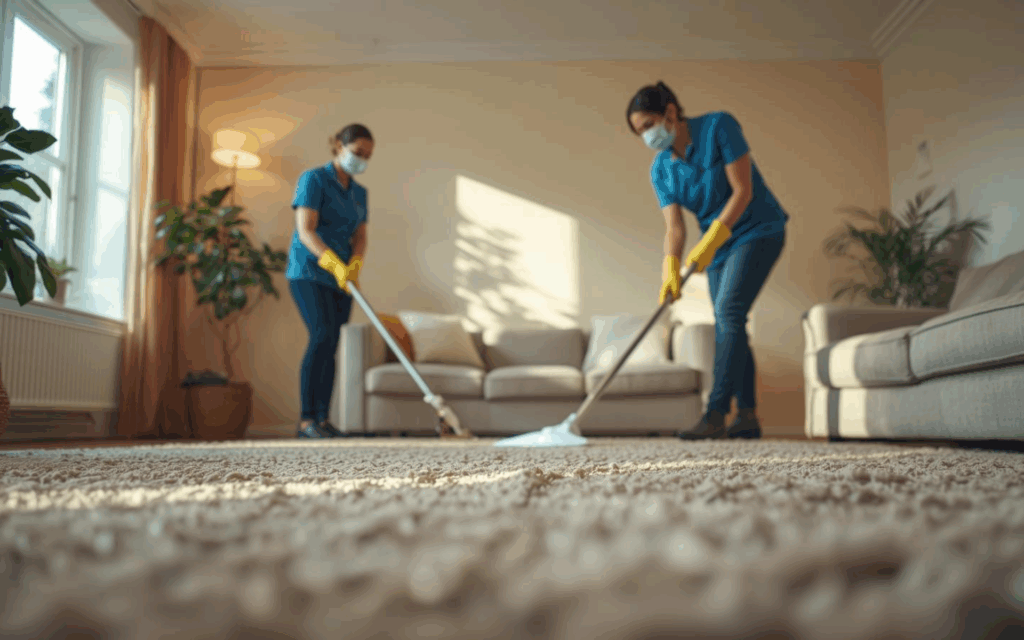
NextDay Cleaning provides house deep cleaning services, including carpet cleaning throughout the Washington DC metro area. Our team uses advanced equipment and eco-friendly solutions to restore your entire home to pristine condition. Book your cleaning appointment today and receive a free quote!